The goal of every business is to get more sales. But very few brands take the time to build a system that brings leads in, nurtures them, and closes them consistently. Many companies spend heavily on ads and promotions, only to watch potential customers disappear without buying. The solution to this problem is not louder marketing. The solution is a structured and automated customer journey.
This is exactly what an automated marketing funnel delivers. It guides prospects step by step, from awareness to purchase, using timely and personalised content. When supported by marketing automation, this funnel works in the background every day, even when nobody on the team is actively following up.
Introduction
Today’s buyers do not make decisions instantly. They compare brands, read reviews, look for proof on different sites, and wait for the right moment to purchase. Without nurturing (or being clear and precise about the brand), most leads lose interest because they do not receive enough clarity or reassurance. Businesses that rely only on one-time outreach or manual reminders end up losing more leads than they convert.
An automated funnel changes this by creating a predictable and repeatable path to purchase. It takes the pressure off sales teams and ensures that every prospect receives communication at the right time through the right channel.
What Is an Automated Marketing Funnel
An automated marketing funnel is a digital process that moves potential buyers through defined stages of awareness, interest, evaluation, purchase and retention. The funnel is powered by marketing automation, which delivers the correct message to prospects based on their behaviour.
People do not respond well to constant sales pressure. But when they receive helpful information, guidance and personalised reminders across their buying journey, their confidence to purchase increases. This is why many growing companies rely on marketing automation tools to manage customer nurturing.
Instead of having employees manually email or call leads over many days, an automated funnel handles follow-ups, education, reassurance and promotional offers with very little manual work.
Why Every Business Should Automate Its Marketing Funnel
Whether a company operates in ecommerce, SaaS, professional services, hospitality, health, education or manufacturing, the fundamental customer journey is the same. A customer needs to know the brand, understand the value and feel comfortable about buying.
An automated funnel helps in several important ways:
Leads receive instant engagement instead of waiting for a reply
Prospects learn the benefits of the product or service step by step
The business builds authority, trust and brand familiarity
Nurtured leads convert at a significantly higher rate
The sales cycle becomes shorter and predictable
This is why marketing automation for small businesses is becoming more common. Automating the funnel removes dependency on large marketing teams and allows even small companies to scale communication.
The Five Stages of a High-Converting Automated Funnel
A strong funnel delivers value at each stage and never rushes the customer. These stages are the same across industries.
1. Awareness
A buyer discovers the brand through search, ads, content or social media. These messages focus on visibility and the first instance of a customer finding the brand.
2. Interest
Once the customer notices the brand, the next step is to get their contact information. Lead magnets, such as promo codes, newsletters, discounts or sale updates, encourage prospects to sign up.
3. Nurturing
This is where marketing automation plays the biggest role. Prospects receive a sequence of helpful content that answers questions, highlights benefits and solves concerns. Instead of being pushed to buy, they gradually gain clarity and confidence.
4. Conversion
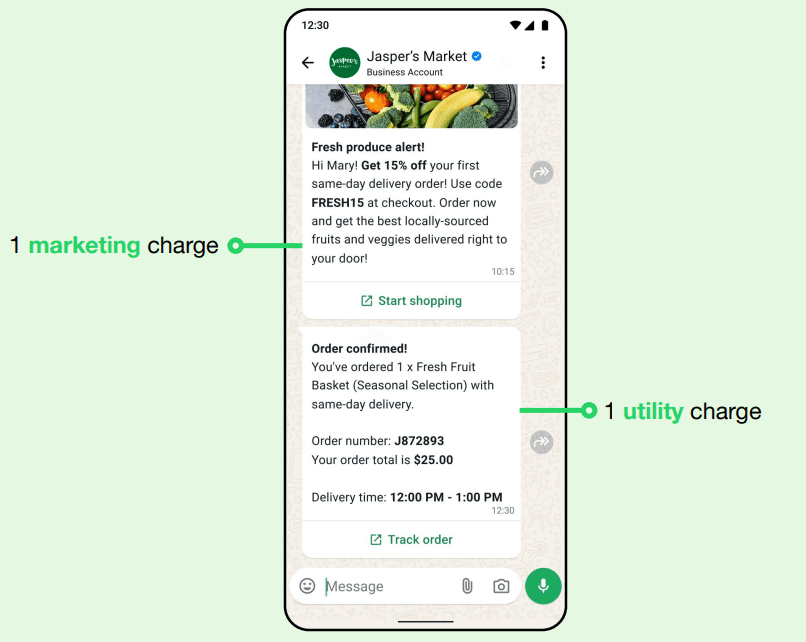
At this stage, the customer is ready to take action (make a purchase). Automated emails, WhatsApp messages or personalised offers help complete the purchase. This is where the funnel turns trust into revenue.
5. Retention and Upsell
Even after the purchase, the funnel continues working. New customers, after making a purchase, get loyalty rewards and reminders that increase repeat purchases. This steady flow is what makes automation a long-term business advantage.
How Marketing Automation Strengthens the Funnel
Building a funnel manually is time-consuming. Following up with each lead individually is stressful and often inconsistent. Marketing automation tools remove this burden by running workflows that deliver relevant messages automatically.
An automation-powered funnel can:
Send welcome messages the moment a lead signs up
Deliver personalised content based on browsing behaviour
Trigger reminders for abandoned carts or incomplete forms
Recommend products and services using analytics
Schedule promotional campaigns and follow-ups
Modern AI marketing automation has an advantage. It studies customer behaviour patterns and optimises communication based on which action is most likely to convert. This reduces wasted effort and increases conversion rates.
Choosing the Best Tools for an Automated Funnel
There are many platforms available, and companies often get confused about where to begin. The best marketing automation tools usually include these core capabilities:
Email and WhatsApp workflows
CRM with customer segmentation
Lead scoring and behavioural triggers
Landing page and form builder
Analytics dashboard
Integration with sales and website systems
A company does not always need the most expensive tool. What matters most is whether the tool can automate the funnel end-to-end and whether the business can use it comfortably.
How Cheerio AI Supports a High-Converting Automated Funnel
When it comes to simplifying marketing automation without increasing workload, Cheerio AI is one of the most practical platforms for businesses of all sizes. It brings multiple stages of the funnel under one roof, which means you do not need separate tools for emails, WhatsApp, segmentation, and analytics. The platform helps brands move prospects smoothly from first touch to final purchase by automating consistent and personalised communication.
Here is how Cheerio AI contributes to an automated funnel:
Multi-channel communication inside a single dashboard
You can reach customers through email, SMS, and WhatsApp without switching platforms. This ensures that leads are contacted on the channels they actually use, helping increase engagement and reply rates.Drag and drop workflow builder for full automation
Instead of manually scheduling follow-ups, Cheerio lets you set triggers and sequences visually. Workflows can be created for lead nurturing, promotions, reminders, cart recovery, and more, even without technical knowledge.AI-assisted content and ready-to-use messaging templates
The platform speeds up campaign creation by helping generate content ideas and polished messages. Users spend less time drafting and more time executing.Smooth integrations for ecommerce and payments
For online sellers, Cheerio syncs with major ecommerce platforms and supports multiple payment gateways. This allows automated checkout nudges, order confirmations, and repeat purchase reminders.Retargeting and abandoned cart workflows
Cheerio automatically identifies prospects who showed buying intent but did not complete the process. It sends reminders and incentives at the right moment to recover lost revenue.Analytics with actionable customer insights
Instead of just reporting numbers, Cheerio helps you understand which campaigns, messages, and segments bring the highest conversions so you can optimise your funnel intelligently.Built for small teams as well as scaling businesses
The pricing and simplicity make Cheerio friendly for startups and small businesses, while the automation depth also supports larger teams that want to streamline operations.
With these capabilities, Cheerio AI removes the complexity from marketing automation and makes funnel management easier and more predictable. Even without a large team, companies can deliver timely nurturing, personalise customer journeys, and increase conversions consistently.
Read Also: What Is an Omnichannel Marketing Platform and Why Your Brand Needs One
Common Reasons Funnels Fail
Even with automation, a funnel will not convert if these mistakes exist:
Selling too early instead of educating first
Sending the same message to every lead
No personalisation in communication
No urgency triggers or reminders
No follow-ups after the first message
Automation is powerful, but only when content focuses on customer needs, clarity and genuine value.
Conclusion
A business grows faster when it has a predictable way to generate and convert leads. An automated funnel supported by marketing automation makes this possible. It builds trust step by step, reduces manual effort and increases sales across all industries. With the right marketing automation tools, any company can nurture customers from curiosity to commitment. With marketing automation for small businesses, even a lean team can run professional and consistent communication at scale. With AI marketing automation, the customer journey becomes smarter, more personalised and more efficient. And with the right strategy, the best marketing automation tools turn the entire funnel into a reliable and repeatable revenue engine.
The brands that build automated funnels today are building long-term growth. They convert more customers, serve them better and stand out in a market where attention is limited, and competition grows every single day.